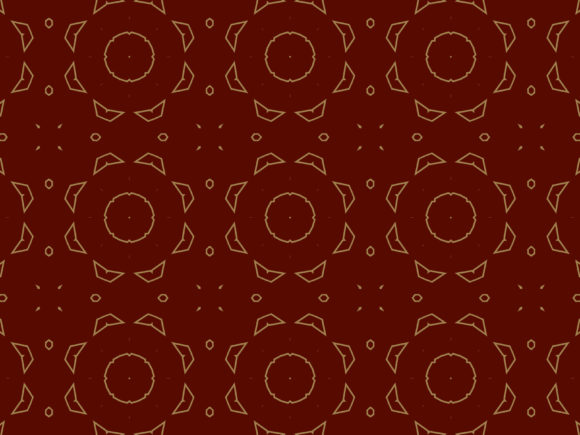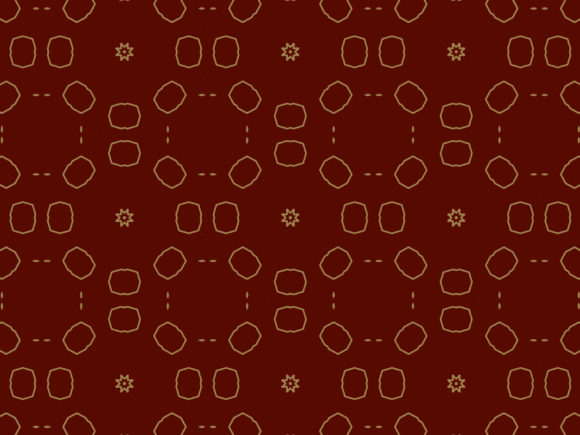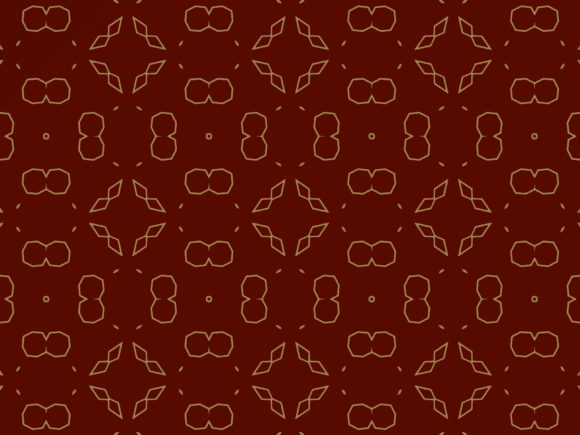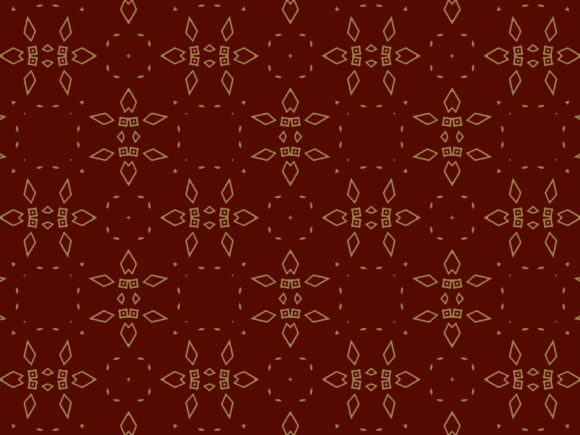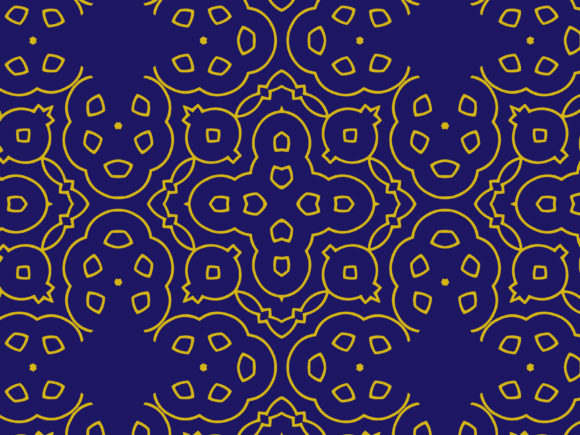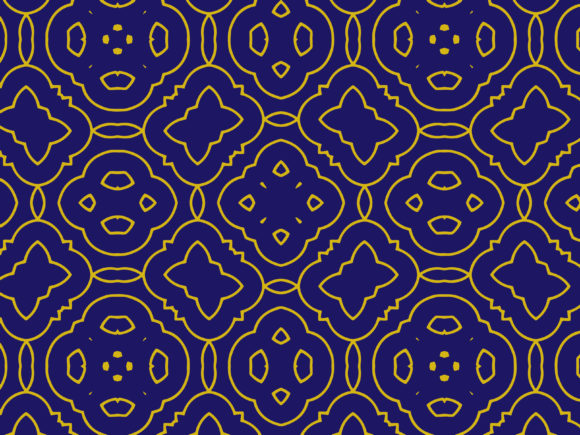
Wallpaper Pattern Islamic Illustration: A Timeless Design for Modern Spaces
Wallpaper Pattern Islamic Illustration is a unique blend of traditional artistry and modern design that brings the elegance of Islamic culture into contemporary interiors. These intricate, geometric patterns are inspired by centuries-old motifs found in mosques, palaces, and manuscripts across the Middle East, North Africa, and beyond. Whether you're looking to add cultural depth to your home, create an authentic backdrop for a special event, or enhance a commercial space with ornate detail, Islamic wallpaper patterns offer a versatile and visually stunning solution.
The beauty of Wallpaper Pattern Islamic Illustration lies in its seamless repetition and symmetrical composition. These designs often feature abstract forms, floral elements, and arabesque lines that echo the craftsmanship of historical Islamic art. They can be used as background textures, decorative accents, or even as standalone wall coverings. Their adaptability makes them suitable for a wide range of applications—from residential spaces like living rooms and bedrooms to commercial environments such as cafes, boutiques, and offices.
Real-World Applications of Islamic Wallpaper Patterns
For homeowners seeking to infuse their living spaces with a touch of global culture, Islamic wallpaper patterns provide a rich visual language. In a bedroom, for instance, a subtle geometric pattern can transform a plain wall into an elegant focal point. Similarly, in a living room, a more elaborate design with intricate floral motifs might complement traditional furniture or create a sense of grandeur.
These patterns are also popular choices for holiday and seasonal decorations. During Ramadan or Eid, many people opt for wallpapers that reflect the spirit of the occasion. A seamless Islamic design featuring calligraphy or traditional symbols like the crescent moon can serve as both a decorative element and a meaningful tribute to the culture.
Commercial spaces benefit from Islamic wallpaper patterns as well. A café themed around Middle Eastern culture could use these designs to reinforce its identity, while a boutique selling handmade crafts might incorporate them to create an immersive shopping experience. Even in corporate settings, such as lobbies or conference rooms, Islamic patterns can add a layer of sophistication and cultural appreciation.
Who Benefits from Islamic Wallpaper Patterns?
Homeowners, interior designers, event planners, and business owners are among those who can benefit from using Islamic wallpaper patterns. For homeowners, these designs offer a way to express personal style while honoring cultural heritage. Interior designers appreciate the versatility of these patterns, which can be tailored to fit different aesthetics—from minimalist to opulent.
Event planners often use Islamic wallpaper patterns for themed parties, weddings, or cultural celebrations. A Moroccan-inspired wedding, for example, might feature a backdrop with intricate geometric designs that echo the architecture of Marrakech. Similarly, businesses aiming to highlight their connection to Islamic culture—such as restaurants serving Middle Eastern cuisine—can use these patterns to create a cohesive and inviting atmosphere.
Artists and graphic designers also find value in Islamic patterns for creating digital templates, logos, or illustrations. The symmetry and complexity of these designs make them ideal for generating visually striking graphics that stand out in a crowded market.
Choosing the Right Islamic Wallpaper Pattern
Selecting the perfect Islamic wallpaper pattern involves considering several factors, including the size of the space, the existing color scheme, and the overall design aesthetic. Lighter, more subdued patterns work well in small rooms, while bold, colorful designs can make a statement in larger areas. It's also important to think about how the pattern interacts with other elements in the room, such as furniture, lighting, and flooring.
Another consideration is the material and finish of the wallpaper. Some patterns are best suited for smooth, glossy surfaces, while others look more natural on textured or matte finishes. Additionally, if you're planning to apply the wallpaper yourself, it's worth researching whether the pattern is easy to install and maintain.
For those unsure where to start, exploring online galleries or consulting with a professional designer can help narrow down options. Many websites offer customizable templates that allow users to adjust colors, scale, and layout to suit their needs. This flexibility ensures that even those without extensive design experience can achieve impressive results.
Limitations and Considerations
While Islamic wallpaper patterns are highly versatile, they may not be suitable for every setting. For instance, overly complex designs can overwhelm a small space or clash with modern decor. It's essential to strike a balance between visual interest and harmony within the room.
Additionally, some patterns may require specific installation techniques or materials that could increase costs. If you're working within a tight budget, it might be worth exploring alternative options, such as digital prints or paint-based designs that mimic the look of traditional wallpaper.
Lastly, while many Islamic patterns are neutral and adaptable, some may carry religious or cultural significance that should be considered carefully. Ensuring that the design aligns with the intended purpose and audience is crucial, especially when used in public or commercial spaces.
Despite these considerations, the appeal of Islamic wallpaper patterns remains strong due to their timeless beauty and cultural richness. Whether used to celebrate a special occasion, decorate a home, or enhance a business, these designs continue to inspire and captivate people around the world.