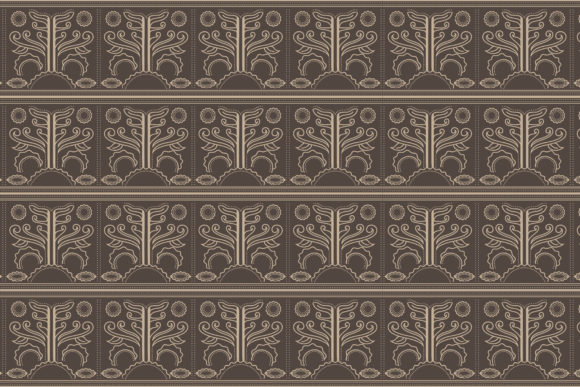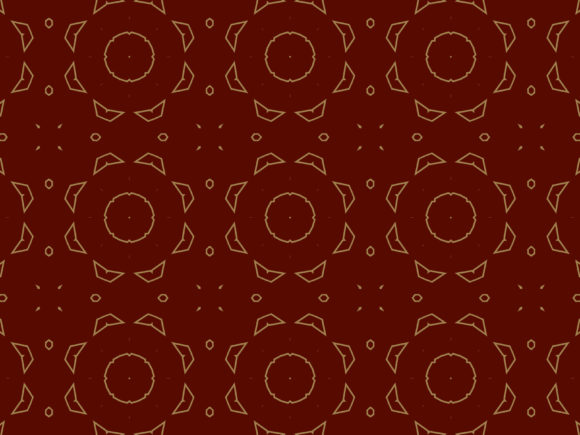
Brown Pattern Islamic Illustration: A Timeless Design for Modern and Traditional Spaces
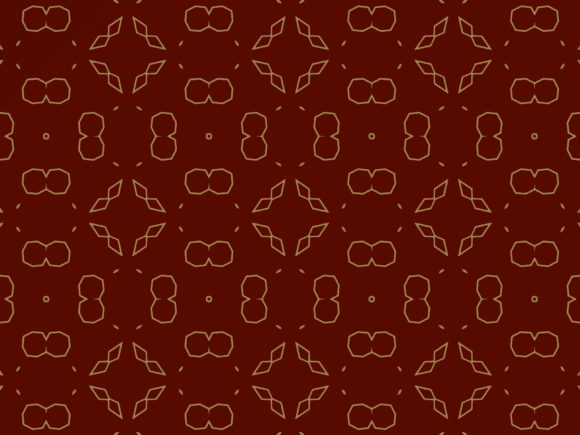
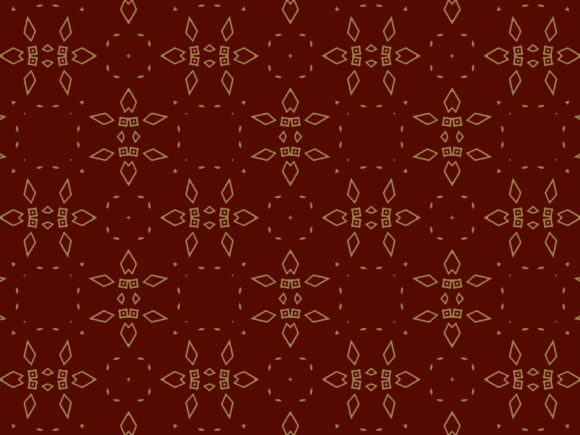
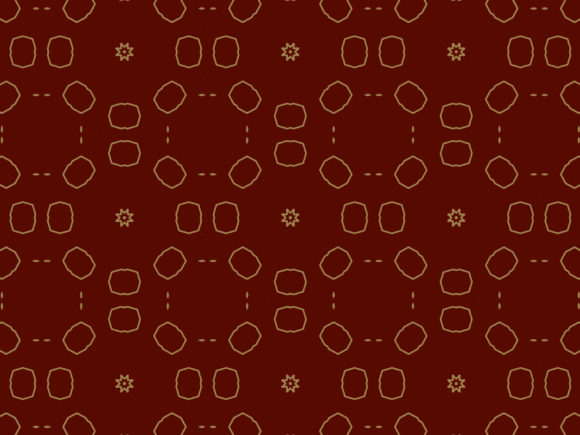
Brown Pattern Islamic Illustration is a unique form of decorative art that blends traditional Islamic motifs with the warm, earthy tones of brown. This design style is deeply rooted in centuries-old Islamic art, characterized by intricate geometric patterns, floral arabesques, and calligraphic elements. However, what sets Brown Pattern Islamic Illustration apart is its use of brown as the dominant color, which adds a sense of warmth, sophistication, and natural elegance to any space. Whether used as a wallpaper background, wall decor, or part of an ornate tile design, this pattern offers a versatile aesthetic that bridges the gap between historical tradition and contemporary design.
What Makes Brown Pattern Islamic Illustration Unique?
Brown Pattern Islamic Illustration is more than just a visual style; it's a cultural expression that reflects the rich heritage of Islamic art. The use of brown as the primary color is a deliberate choice, as it evokes feelings of stability, warmth, and timelessness. Unlike traditional Islamic patterns that often rely on vibrant colors like blue, green, or gold, the brown palette provides a subtle and sophisticated backdrop that complements a wide range of interior styles.
The design itself is typically composed of repeating geometric shapes, such as hexagons, triangles, and circles, arranged in symmetrical and balanced compositions. These patterns are not only visually appealing but also carry deep symbolic meanings in Islamic culture. For example, the repetition of shapes can represent the infinite nature of God, while the symmetry reflects order and harmony.
Another distinctive feature of Brown Pattern Islamic Illustration is its adaptability. It can be scaled up or down, modified to fit different spaces, and integrated into various materials such as fabric, wood, metal, and digital media. This makes it a popular choice for both modern and traditional settings, from residential homes to mosques and public spaces.
Comparing Brown Pattern Islamic Illustration with Similar Styles
While Brown Pattern Islamic Illustration has its own unique qualities, it shares similarities with other Islamic design styles. For instance, Moroccan mosaic designs often feature similar geometric patterns but may incorporate more vibrant colors and a wider variety of materials. Similarly, Arabian calligraphy and Arabic script-based designs focus more on text rather than abstract patterns, making them less suitable for backgrounds but more appropriate for signage or religious texts.
Compared to the more intricate and colorful Mughal patterns found in South Asian architecture, Brown Pattern Islamic Illustration offers a simpler, more subdued aesthetic. This makes it ideal for those who appreciate the beauty of Islamic art without the overwhelming complexity of traditional Mughal or Ottoman designs.
In terms of modern adaptations, Brown Pattern Islamic Illustration can be contrasted with minimalist or Scandinavian-inspired designs, which prioritize clean lines and neutral tones. While these styles emphasize simplicity and functionality, Brown Pattern Islamic Illustration adds depth and cultural richness through its detailed patterns and warm color palette.
Best-Fit Situations for Brown Pattern Islamic Illustration
Brown Pattern Islamic Illustration is particularly well-suited for environments where a balance between tradition and modernity is desired. It works exceptionally well as a wallpaper background, providing a subtle yet elegant texture that enhances the overall ambiance of a room. Its warm tones make it especially effective in spaces with limited natural light, as they help create a cozy and inviting atmosphere.
This design is also a popular choice for decorative elements such as tiles, rugs, and textiles. In kitchens, bathrooms, and entryways, Brown Pattern Islamic Illustration can add a touch of cultural flair without overpowering the space. When used in conjunction with other design elements, such as wooden furniture or metallic accents, it can create a cohesive and harmonious look.
For those interested in incorporating Islamic art into their home decor, Brown Pattern Islamic Illustration offers a versatile option. It can be used as a wall mural, a decorative border, or even as part of a larger mural or tapestry. Its seamless and repeatable nature makes it easy to scale and customize to fit specific needs.
Strengths and Tradeoffs of Brown Pattern Islamic Illustration
One of the key strengths of Brown Pattern Islamic Illustration is its versatility. It can be adapted to a wide range of applications, from digital graphics to physical materials, and it maintains its visual appeal across different scales and formats. Additionally, the use of brown as the primary color ensures that it complements a variety of interior styles, making it a safe and stylish choice for many design projects.
However, there are also some tradeoffs to consider. Because of its intricate nature, Brown Pattern Islamic Illustration can be more complex to produce compared to simpler design styles. This may result in higher production costs, especially when using high-quality materials or custom artwork. Additionally, while the brown palette is generally flattering, it may not be the best choice for spaces that require a more vibrant or dynamic visual impact.
Another consideration is the level of detail required to maintain the integrity of the design. If the pattern is too small or poorly rendered, it may lose its visual appeal and fail to convey the intended aesthetic. Therefore, it's important to work with skilled designers or artists who can ensure that the pattern is executed with precision and care.
When to Choose Brown Pattern Islamic Illustration
Brown Pattern Islamic Illustration is an excellent choice for individuals or businesses looking to incorporate Islamic art into their spaces without overwhelming the design. It is particularly well-suited for those who appreciate the beauty of traditional Islamic patterns but prefer a more subdued and elegant approach. This style is also ideal for those who want to create a sense of cultural connection or spiritual significance within their environment.
However, if you're seeking a more bold or colorful design, Brown Pattern Islamic Illustration may not be the best option. In such cases, alternative styles such as Mughal, Ottoman, or Moorish designs may be more appropriate. Similarly, if your project requires a more modern or minimalist aesthetic, you may want to explore other options that better align with your design goals.
Ultimately, the decision to use Brown Pattern Islamic Illustration will depend on your personal preferences, the specific needs of your project, and the overall design vision you have in mind. By carefully considering the strengths and limitations of this style, you can make an informed decision that best suits your requirements.