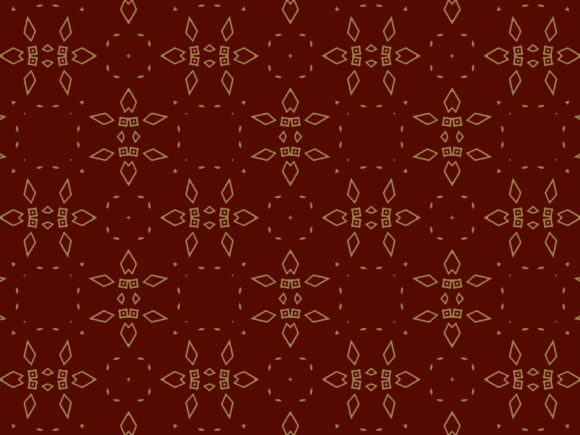
Pattern Islamic Vector Brown: A Versatile Design Element for Modern and Traditional Spaces
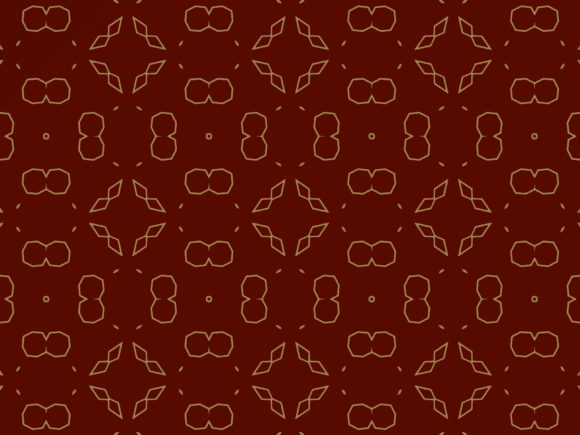
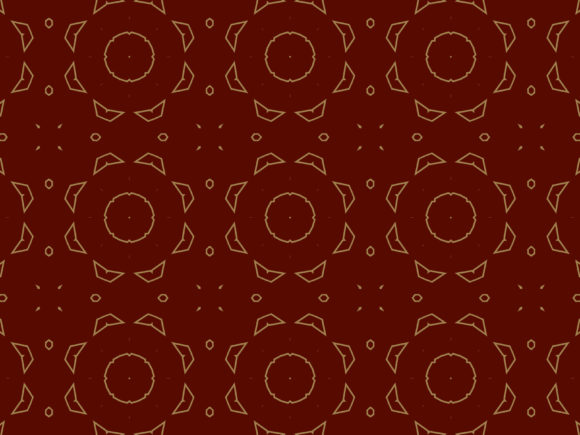
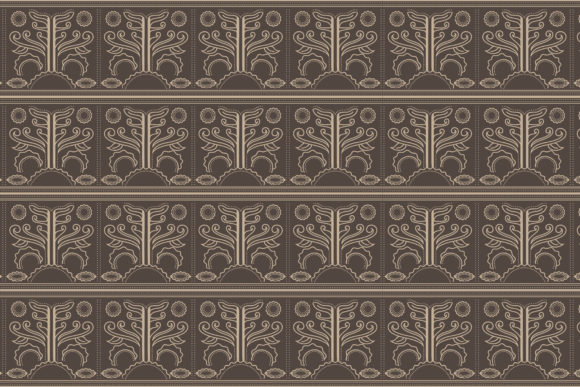
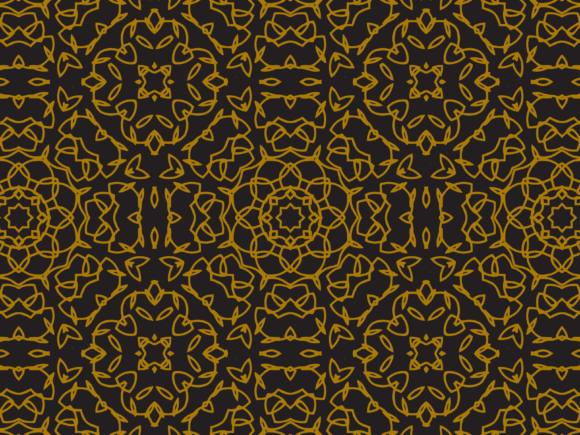
The Pattern Islamic Vector Brown has emerged as a compelling design asset that bridges traditional aesthetics with contemporary applications. This intricate, geometric pattern is rooted in Islamic art, characterized by its symmetry, repetition, and abstract forms. Its brown color palette adds warmth and sophistication, making it suitable for a wide range of uses—from digital backgrounds to physical decor. Whether you're designing a website, creating a printable wallpaper, or planning interior decoration, this pattern offers a unique blend of cultural richness and visual appeal.
Understanding the Origins and Characteristics
Islamic patterns are not just decorative; they carry deep cultural and historical significance. Originating from the Arab world and spreading across North Africa, the Middle East, and parts of Asia, these designs often feature geometric motifs, arabesque curves, and mosaic-like structures. The Pattern Islamic Vector Brown encapsulates these elements in a scalable vector format, ensuring clarity and precision at any size.
What sets this particular design apart is its brown color scheme. While many Islamic patterns use gold, blue, or green, the earthy tones of this version provide a more subdued and versatile option. This makes it particularly well-suited for environments where a warm, elegant backdrop is desired without overwhelming the space.
Purpose and Practical Value
The Pattern Islamic Vector Brown serves multiple purposes, depending on the context of its application. As a background element, it can add texture and depth to websites, presentations, or digital media. In decor, it can be printed on fabric, paper, or wall coverings to create an ornate, culturally inspired ambiance. Its seamless repeat ensures that it can be used as a wallpaper without visible breaks or distortions.
For graphic designers, this pattern offers a ready-to-use asset that requires minimal customization. It can be layered, adjusted in opacity, or combined with other elements to achieve a balanced composition. For interior decorators, it provides a timeless design choice that complements both modern and traditional interiors.
Who Benefits Most from Pattern Islamic Vector Brown?
- Web designers looking to incorporate cultural themes into their projects
- Interior designers seeking to add elegance and texture to spaces
- Print designers who need high-quality, repeatable patterns for textiles or packaging
- Cultural educators aiming to present Islamic art in an accessible form
- Small business owners wanting to enhance branding with meaningful visuals
Evaluating Quality and Usability
When assessing the quality of the Pattern Islamic Vector Brown, several factors stand out. First, the use of vector graphics ensures that the pattern remains sharp and clear regardless of scaling. This is especially important for digital use, where resolution can vary significantly. Second, the symmetry and balance of the design reflect the principles of Islamic geometry, which are known for their mathematical precision and aesthetic harmony.
However, there are limitations to consider. The brown color may not suit every project, particularly those requiring vibrant or contrasting hues. Additionally, while the pattern is highly adaptable, it may require some adjustment when integrated into complex compositions to avoid visual clutter.
In terms of usability, the Pattern Islamic Vector Brown is straightforward to implement. It can be downloaded and used directly in most graphic design software, including Adobe Illustrator, Photoshop, and free alternatives like Inkscape. Its repeatable nature also makes it ideal for tiling, whether digitally or physically.
Real-World Applications and Examples
Consider a website redesign for a boutique hotel in Morocco. Using the Pattern Islamic Vector Brown as a background could evoke a sense of tradition and luxury. Similarly, a printable wallpaper featuring this design might be used in a home office to create a calming, culturally rich environment.
In the context of religious celebrations such as Eid or Ramadan, this pattern could be incorporated into promotional materials, invitations, or digital banners. Its oriental motifs and vintage aesthetic align well with the themes of these occasions.
Design Flexibility and Customization
While the Pattern Islamic Vector Brown comes as a pre-designed element, it is not rigid. Designers can experiment with different color variations, opacity levels, or even overlay effects to adapt it to specific needs. For instance, applying a grayscale filter could make it more subtle, while adding a metallic sheen might enhance its ornate feel.
Its abstract nature also allows for creative reinterpretation. Artists and designers can modify individual components—such as tile shapes or line thicknesses—to create new iterations of the pattern. This flexibility makes it a valuable resource for those looking to explore Islamic design in a modern context.
Despite its versatility, it’s important to maintain the integrity of the original design. Over-modification can lead to a loss of the pattern's cultural authenticity and visual coherence.
Long-Term Value and Cultural Relevance
The enduring appeal of Islamic geometric patterns lies in their ability to transcend time and trends. The Pattern Islamic Vector Brown taps into this legacy, offering a design that is both historically grounded and visually appealing. As interest in Middle Eastern and North African cultures continues to grow, so does the demand for authentic, respectful representations of these artistic traditions.
This makes the pattern not only a practical design tool but also a means of promoting cross-cultural appreciation. When used thoughtfully, it can serve as a bridge between past and present, tradition and innovation.
For professionals in the design industry, investing in assets like the Pattern Islamic Vector Brown can enhance the depth and meaning of their work. It adds a layer of cultural awareness and artistic nuance that resonates with diverse audiences.
Final Thoughts
The Pattern Islamic Vector Brown is more than just a decorative element—it is a reflection of a rich artistic heritage. Its combination of symmetry, color, and cultural significance makes it a valuable asset for designers, decorators, and creators across various fields. Whether used as a digital background, wallpaper, or decorative motif, it brings a touch of elegance and tradition to any project.
As with any design element, success depends on how well it is integrated into the overall vision. By understanding its strengths and limitations, professionals can harness the power of Pattern Islamic Vector Brown to create meaningful, visually striking results that resonate with both form and function.