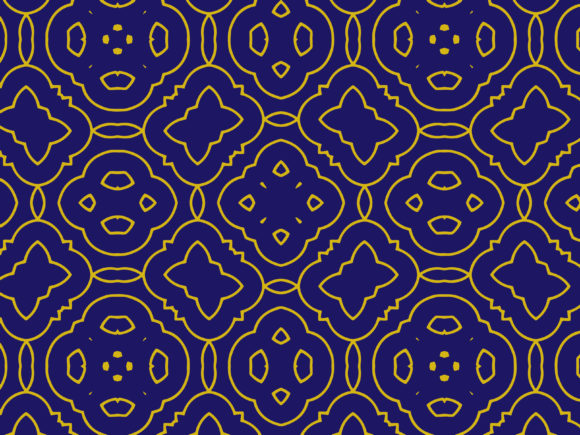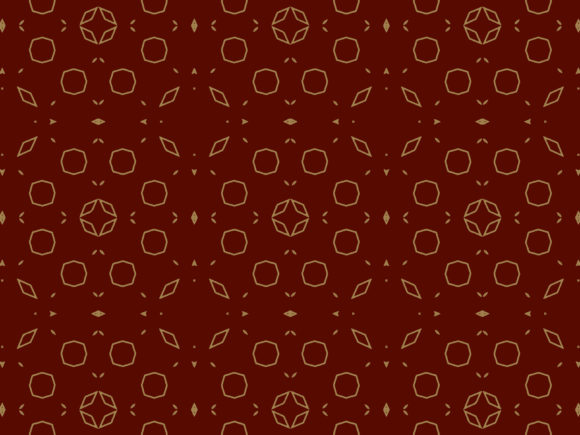
Texture Pattern Islamic Illustration: A Timeless Blend of Art and Culture
The world of Texture Pattern Islamic Illustration is a vibrant tapestry woven from centuries of artistic tradition, intricate design, and deep cultural significance. This unique form of visual expression has found its place in modern decor, digital backgrounds, and even religious settings, offering both aesthetic appeal and symbolic depth. Whether you're an artist, designer, or simply someone looking to enhance your living space, understanding the nuances of this art form can open up a wealth of creative possibilities.
The Origins and Essence of Islamic Texture Patterns
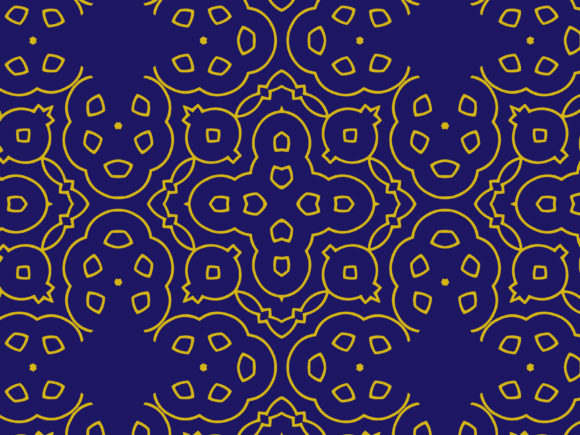
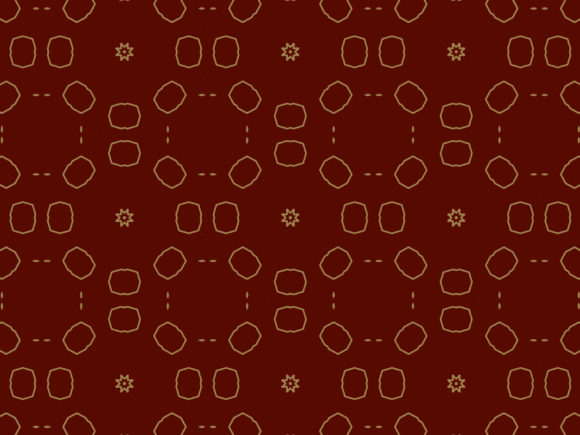
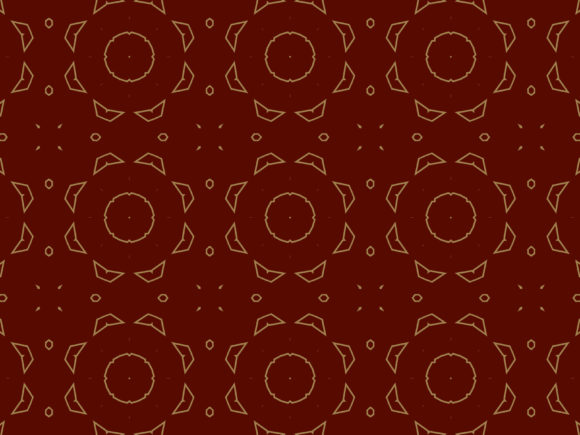
Islamic texture patterns have their roots in the rich artistic heritage of the Middle East, North Africa, and South Asia. These designs often feature geometric shapes, floral motifs, and calligraphic elements that reflect the spiritual values of Islam. The symmetry and repetition inherent in these patterns are not just decorative—they also symbolize the infinite nature of God and the universe.
Over time, these traditional illustrations have evolved into seamless textures and repeating patterns suitable for use as wallpaper, backgrounds, or decorative elements. Their adaptability makes them ideal for both digital and physical applications, from muslim homes to mosque interiors and beyond.
Key Characteristics of Texture Pattern Islamic Illustration
- Geometric Precision: These patterns are defined by precise angles and lines, creating a sense of balance and harmony.
- Symmetry and Repetition: The use of mirrored and repeating elements ensures a cohesive look that is visually pleasing and mathematically sound.
- Calligraphy Integration: Many designs incorporate Arabic script, adding a layer of meaning and elegance to the illustration.
- Versatile Color Palettes: From bold and vibrant hues to muted and elegant tones, these patterns offer a wide range of color options.
Applications of Texture Pattern Islamic Illustration
The versatility of Texture Pattern Islamic Illustration allows it to be used in various contexts. Here are some of the most common applications:
- Home Decor: These patterns can be used as wallpapers, backdrops, or ornamental accents in living rooms, bedrooms, and dining areas. They add a touch of oriental charm and asian culture to any interior space.
- Commercial Spaces: Businesses such as cafes, boutiques, and galleries often use these patterns to create an inviting atmosphere that reflects islamic aesthetics and arabic heritage.
- Digital Media: In the digital realm, these patterns serve as backgrounds, templates, and graphic elements for websites, social media posts, and mobile apps. Their seamless quality makes them perfect for repeat usage without visible seams.
- Religious Settings: Mosques and places of worship often incorporate these designs into their architecture, tile work, and mosaic elements, reinforcing the spiritual connection between the artwork and the environment.
Who Can Benefit from Using Islamic Texture Patterns?
Texture Pattern Islamic Illustration is not limited to a specific audience. It appeals to a diverse group of individuals and professionals, including:
- Interior Designers: Looking for unique and culturally rich design elements to incorporate into their projects.
- Graphic Designers: Seeking abstract and geometric visuals for branding, packaging, or website design.
- Craft Enthusiasts: Interested in using these patterns for handmade items such as decor, textiles, or art prints.
- Business Owners: Wanting to infuse their spaces with a sense of elegance and beauty that aligns with islamic principles.
- Individuals: Anyone looking to add a touch of vintage charm or oriental flair to their personal space.
Strengths and Considerations of Islamic Texture Patterns
While Texture Pattern Islamic Illustration offers numerous benefits, it's important to consider both its strengths and limitations:
Strengths:
- Cultural Significance: These patterns carry deep historical and religious meanings, making them more than just visual elements—they are expressions of identity and tradition.
- Timeless Appeal: The symmetry and geometry of these designs ensure they remain relevant across generations.
- Adaptability: Whether used in digital or physical formats, these patterns can be scaled, colored, and modified to suit different needs.
Considerations:
- Design Complexity: Some patterns may require careful planning and execution to maintain their integrity when applied to large surfaces or digital platforms.
- Cultural Sensitivity: When using these designs, it's essential to respect their origins and avoid misrepresentation or appropriation.
- Color Limitations: While many patterns are available in a variety of colors, some traditional designs may be best suited to specific palettes to preserve their authenticity.
Real-World Examples and Scenarios
To better understand how Texture Pattern Islamic Illustration can be applied, let's explore a few real-world examples:
Example 1: Home Interior
A homeowner looking to add a touch of eastern influence to their living room might choose a seamless texture pattern as a wallpaper or backdrop. The geometric design could complement mosaic-style furniture and tile accents, creating a cohesive and elegant space.
Example 2: Digital Branding
A company aiming to launch a new product line inspired by islamic culture might use Texture Pattern Islamic Illustration as part of their branding. This could include backgrounds on their website, packaging designs, or social media content, helping to establish a strong visual identity rooted in tradition.
Example 3: Religious Spaces
In a mosque, texture patterns can be used in tile work, mosaic art, and ornate details. These patterns not only enhance the beauty of the space but also reinforce the spiritual significance of the environment.
Evaluating Suitability for Your Needs
When considering whether Texture Pattern Islamic Illustration is right for your project, there are several factors to keep in mind:
- Purpose: Are you looking for a decorative element, a background, or something more symbolic? Each use case may require a different type of pattern.
- Medium: Will the pattern be used digitally or physically? Some designs may need to be adjusted for print or screen display.
- Style Preference: Do you prefer vintage looks, modern adaptations, or something abstract? There are countless variations to choose from.
- Cultural Context: If the design will be used in a public or commercial setting, it's important to ensure it aligns with cultural norms and values.
By carefully evaluating these factors, you can select a Texture Pattern Islamic Illustration that not only meets your aesthetic goals but also respects the cultural and historical significance of the design.
Texture Pattern Islamic Illustration continues to captivate audiences around the world with its blend of artistry, symbolism, and functionality. Whether used in home decor, digital media, or religious spaces, these patterns offer a timeless and meaningful way to express creativity and appreciation for islamic culture.