Brown Purple Zebra Skin Pattern: A Strategic Design Element for Modern Textiles and Visual Media
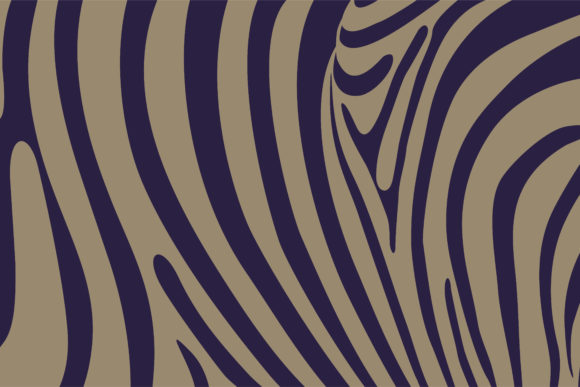
The Brown Purple Zebra Skin Pattern is more than just an aesthetic choice—it's a strategic design element that can elevate the visual impact of textiles, backgrounds, and digital media. This unique pattern combines the natural allure of zebra stripes with a modern color palette featuring brown and purple tones, creating a versatile and eye-catching design suitable for a wide range of applications. Whether used in fashion, interior design, or digital illustrations, this pattern offers a blend of exotic charm and contemporary sophistication.
Understanding the Brown Purple Zebra Skin Pattern
The Brown Purple Zebra Skin Pattern draws inspiration from the natural markings of zebras, but with a twist. Instead of the traditional black-and-white contrast, this design incorporates shades of brown and purple to create a more nuanced and visually appealing effect. The combination of light and dark colors adds depth and dimension, making it ideal for both minimalist and bold design approaches.
This pattern is particularly well-suited for textile design, where its texture and color variation can add interest to fabrics such as upholstery, clothing, and accessories. In digital media, it serves as a compelling background or backdrop, offering a sense of movement and rhythm that can enhance user engagement.
Strategic Use Cases for the Brown Purple Zebra Skin Pattern
When considering the use of the Brown Purple Zebra Skin Pattern, it's important to align it with specific goals and contexts. Here are some strategic use cases where this pattern can be effectively utilized:
- Fashion Industry: Incorporating this pattern into clothing lines can create a unique selling point, especially for brands targeting consumers interested in exotic and retro styles. Its striped nature allows for creative tailoring and can be adapted to various garment types, from jackets to skirts.
- Interior Design: As a decorative element, the pattern can be used on cushions, curtains, or even wall coverings. Its camouflage-like quality can help blend spaces while adding a touch of African or jungle inspiration.
- Digital Media: In web design or app interfaces, the seamless nature of this vector pattern makes it ideal for wallpapers or illustrations. It can serve as a subtle backdrop that enhances visual storytelling without overpowering other elements.
- Branding and Marketing: Businesses looking to stand out in a crowded market can leverage this pattern to create memorable branding materials, such as packaging, logos, or promotional content. Its natural and exotic appeal can evoke a sense of adventure and authenticity.
Planning and Positioning: How to Approach the Brown Purple Zebra Skin Pattern
Before incorporating the Brown Purple Zebra Skin Pattern into any project, it's essential to consider how it aligns with your overall design strategy. Ask yourself: What message do I want to convey? Who is my target audience? How will this pattern contribute to the overall experience?
For instance, if you're designing a product line for a luxury brand, the modern skin pattern can be paired with high-quality materials like leather or fabric to create a premium feel. On the other hand, if the goal is to create a safari-themed interior, the pattern can be combined with earthy tones and natural textures to reinforce the theme.
It's also important to consider the scale and placement of the pattern. In larger formats, the geometric and curved elements of the design can create a dynamic visual flow, while smaller applications may benefit from a more subdued approach.
Risks and Considerations
While the Brown Purple Zebra Skin Pattern offers numerous benefits, there are risks associated with its use if not approached thoughtfully. One potential risk is overuse—applying the pattern too liberally can lead to visual clutter and diminish its impact. It's crucial to maintain balance by using it as an accent rather than the dominant feature.
Another consideration is cultural sensitivity. While the African and wildlife themes are popular in design, it's important to ensure that the use of animal patterns respects the cultural significance of these symbols. Avoiding stereotypes and focusing on the artistic value of the pattern can help mitigate these concerns.
Additionally, the color combination of brown and purple may not suit every context. Testing the pattern against different backgrounds and lighting conditions can help determine its effectiveness in various settings.
Practical Examples and Decision-Making Guidance
To illustrate the practical application of the Brown Purple Zebra Skin Pattern, consider the following examples:
- Textile Manufacturing: A fabric designer could use this pattern to create a textile collection inspired by zoo and wildlife themes. By pairing the pattern with light and dark variations, they can offer a range of options for different products.
- Web Design: A travel website aiming to evoke a sense of safari adventure might use this pattern as a background for hero sections or image galleries, enhancing the thematic experience without overwhelming users.
- Product Packaging: A skincare brand could incorporate this pattern into its packaging to suggest a natural and exotic ingredient source, reinforcing the brand's commitment to organic and eco-friendly values.
When making decisions about using this pattern, consider the following guidance:
- Define Your Goals: Align the use of the pattern with your business objectives. Is it to attract attention, convey a specific message, or enhance user experience?
- Test and Iterate: Experiment with different applications and gather feedback before finalizing your design choices.
- Stay Authentic: Ensure that the use of the pattern feels genuine and not forced. It should complement the overall design rather than distract from it.
Conclusion: Embracing the Brown Purple Zebra Skin Pattern with Purpose
The Brown Purple Zebra Skin Pattern is a powerful tool when used with intention and strategy. Its unique combination of animal inspiration and modern design elements makes it a versatile choice for a wide range of industries. By carefully considering its application, businesses and designers can harness its potential to create impactful and meaningful designs that resonate with their audiences.