Japanese Water Waves Seamless Pattern: A Versatile Design Element for Cultural and Creative Applications
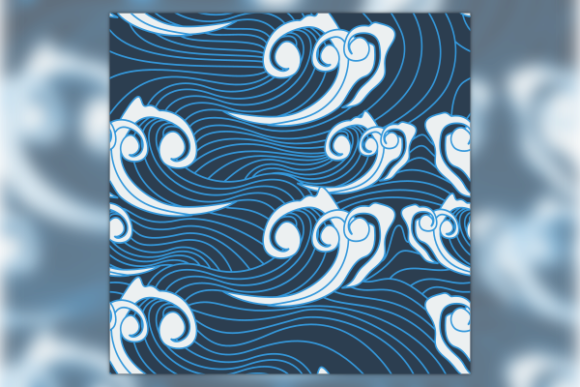
The Japanese Water Waves Seamless Pattern is a design element that captures the essence of traditional Japanese aesthetics while offering modern versatility. This seamless pattern, often rendered as an editable SVG vector, features intricate wave illustrations in the style of Japanese oriental art. It can be used as a background for a wide range of purposes, including fabrics, invitations, merchandises, cards, and decorative elements tied to Japanese or oriental culture and history. The design is not only visually appealing but also highly functional, allowing for easy customization using tools like Inkscape. In this article, we explore the characteristics, advantages, use cases, and considerations of this unique pattern.
Characteristics of the Japanese Water Waves Seamless Pattern
The Japanese Water Waves Seamless Pattern is defined by its fluid, flowing lines that mimic the natural movement of water. These waves are typically stylized, reflecting the influence of traditional Japanese ink painting (sumi-e) and calligraphy. The pattern is designed to repeat seamlessly, making it ideal for backgrounds that require continuity without visible seams. The use of soft curves and subtle gradients adds depth and realism to the design.
One of the key features of this pattern is its adaptability. The SVG format allows for easy editing, enabling users to adjust colors, scale the design, or incorporate additional elements such as cherry blossoms, koi fish, or bamboo. This flexibility makes it suitable for both digital and print applications.
Advantages of Using the Japanese Water Waves Seamless Pattern
The primary advantage of the Japanese Water Waves Seamless Pattern is its cultural relevance. It embodies the spirit of Japanese tradition and nature, making it an excellent choice for projects that aim to evoke a sense of heritage or authenticity. Whether you're designing a festival invitation or creating merchandise for a cultural event, this pattern can help convey the intended message effectively.
Another significant benefit is its compatibility with various software. The inclusion of EPS, PDF, and high-resolution PNG formats ensures that the pattern can be used across different platforms and mediums. For instance, designers can use Inkscape to modify the SVG file, while graphic artists may prefer working with the PDF for print-ready outputs.
Additionally, the seamless nature of the pattern reduces the need for complex tiling or adjustments when applied to large surfaces. This makes it particularly useful for fabric printing, where consistency and continuity are crucial for aesthetic appeal.
Use Cases and Real-World Applications
The versatility of the Japanese Water Waves Seamless Pattern extends across multiple industries and creative fields. Here are some common use cases:
- Fashion and Textile Design: The pattern can be used as a background for clothing items such as scarves, dresses, and jackets. Its fluid motion complements the flow of fabric, adding a dynamic visual element.
- Event Invitations and Stationery: Incorporating this pattern into wedding invitations, thank-you cards, or business cards adds a touch of elegance and cultural significance.
- Merchandise and Branding: Businesses looking to create culturally inspired products can use the pattern on mugs, T-shirts, and packaging to appeal to a niche market.
- Interior Decor and Home Goods: From wall art to cushions and table runners, the pattern can enhance the ambiance of a space with its calming and serene visuals.
- Educational Materials: Educators can use the pattern in teaching materials related to Japanese culture, history, or art to engage students visually.
Considerations When Using the Japanese Water Waves Seamless Pattern
While the Japanese Water Waves Seamless Pattern offers numerous benefits, there are certain considerations to keep in mind when incorporating it into your projects. First, the color palette should be chosen carefully to ensure harmony with the overall design. While the original pattern may feature muted tones, experimenting with bolder colors can yield striking results.
Second, the resolution and file format must be appropriate for the intended use. For digital applications, the PNG format is ideal, whereas the PDF and EPS formats are better suited for print. Ensuring that the file is scaled correctly is essential to avoid distortion or pixelation.
Finally, respecting the cultural context of the design is important. The Japanese Water Waves Seamless Pattern is deeply rooted in Japanese tradition, so it should be used thoughtfully to avoid misrepresentation or appropriation. Understanding the symbolism behind the waves—such as their association with tranquility, change, and the passage of time—can help in creating more meaningful designs.
Tools and Techniques for Customization
Editing the Japanese Water Waves Seamless Pattern requires some familiarity with vector graphics software. Inkscape is a popular choice due to its open-source nature and robust feature set. Users can easily modify the pattern by adjusting individual wave shapes, adding new elements, or changing the stroke and fill properties.
For those less familiar with vector editing, online tools and templates can provide a user-friendly alternative. Many design platforms offer pre-made assets that can be customized without requiring advanced technical skills. However, for greater control over the design, learning basic vector editing techniques can be beneficial.
It's also worth noting that the pattern can be combined with other elements to create more complex designs. For example, overlaying the wave pattern with traditional Japanese motifs such as cranes, fans, or pagodas can produce visually rich compositions that reflect the depth of Japanese artistry.
Conclusion
The Japanese Water Waves Seamless Pattern is more than just a decorative element; it is a versatile tool that bridges traditional Japanese aesthetics with contemporary design needs. Its ability to be edited, adapted, and integrated into various media makes it a valuable asset for creators, educators, and professionals alike. Whether used in fashion, branding, or educational materials, this pattern offers a unique way to celebrate Japanese culture while meeting practical design requirements.