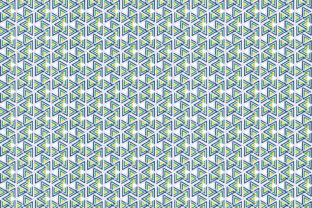
Flat Color Hexagon Triangle Pattern: A Versatile Tool for Design and Craft
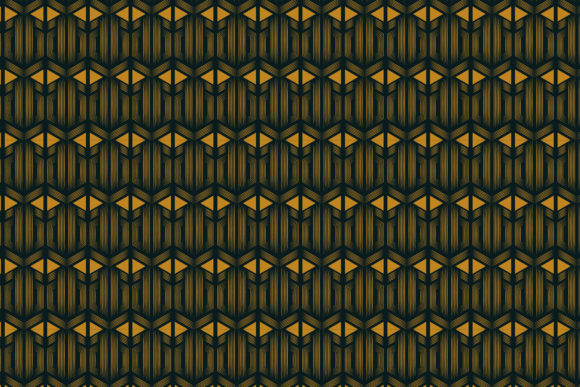
The Flat Color Hexagon Triangle Pattern is a striking geometric design that combines the symmetry of hexagons with the sharp angles of triangles, all rendered in bold, flat colors. This pattern finds its roots in various cultural traditions, from Indian textiles to Scandinavian folk art, and has been reimagined in modern contexts such as bohemian fashion, handmade decor, and digital design. Its clean lines, repeating structure, and vibrant hues make it a popular choice for designers, crafters, and creators across multiple industries.
This article explores how the Flat Color Hexagon Triangle Pattern can be integrated into creative workflows, the tools and methods that complement it, and practical examples of its application in real-world projects.
Understanding the Flat Color Hexagon Triangle Pattern
The Flat Color Hexagon Triangle Pattern is more than just an aesthetic choice—it’s a structured design system that uses repetition, symmetry, and color to create visual interest. It typically consists of interlocking hexagons or triangles arranged in a grid-like format, often with a diagonal or zigzag orientation. The use of vivid or vintage colors adds depth and character, making it ideal for textile, graphic design, and surface pattern applications.
At its core, this pattern draws inspiration from tribal and ethnic motifs found in cultures around the world. For instance, Indonesian batik patterns often feature similar geometric elements, while Mexican folk art incorporates striped and ornamental designs that align with the principles of the Flat Color Hexagon Triangle Pattern.
Where Does This Pattern Fit in a Creative Workflow?
The Flat Color Hexagon Triangle Pattern can be used at various stages of a project. Here’s how it integrates into different phases:
- Pre-Design Phase: When brainstorming a new design concept, using this pattern as a base can help establish a cohesive visual language. It provides a strong foundation for color schemes, layout structures, and thematic direction.
- Drafting and Development: During the actual creation process, the pattern can be applied to fabric samples, digital mockups, or print templates. Its seamless and repeatable nature makes it especially useful for textile and packaging design.
- Finalization and Production: Once the design is finalized, the pattern can be exported in vector format (such as SVG or EPS) for high-quality printing or digital use. It's also compatible with sublimation, screen printing, and embroidery techniques.
Tools and Resources That Complement the Pattern
To work effectively with the Flat Color Hexagon Triangle Pattern, consider using the following tools and resources:
- Vector Graphics Software: Programs like Adobe Illustrator or Inkscape are essential for creating and editing vector-based versions of the pattern. These allow for precise control over lines, colors, and repetition.
- Texture Libraries: Websites like Freepik or GraphicBurger offer pre-made ethnic and tribal textures that can be layered with the pattern for added depth.
- Pattern Generators: Online tools such as Patterninja or Pattern Generator can help automate the tile and sequence of the pattern, ensuring consistency and efficiency.
- Textile Printing Services: If you're working on physical products, partnering with a reputable textile printing service ensures the pattern is accurately reproduced on fabric, clothing, or home decor items.
Practical Implementation Tips
Here are some practical tips for implementing the Flat Color Hexagon Triangle Pattern into your workflow:
- Start with a Grid: Begin by sketching out a basic grid of hexagons or triangles. This helps maintain alignment and proportion throughout the design.
- Experiment with Color Schemes: Use vibrant or monochromatic color palettes depending on the desired effect. Antique and vintage tones can evoke a sense of history, while bold colors add energy and movement.
- Layer Textures: Combine the pattern with lattice or wax-like textures to create a more handcrafted look. This is especially effective in bohemian or folk styles.
- Test on Different Surfaces: Before finalizing the design, test the pattern on various materials—cloth, paper, or digital screens—to ensure it looks consistent and appealing across formats.
Workflow Integration Examples
Let’s explore how the Flat Color Hexagon Triangle Pattern can be integrated into specific workflows:
- Product Design: Use the pattern as a backdrop for clothing lines, home decor items, or accessories. It works particularly well with ethnic or tribal themes, adding a unique touch to handmade products.
- Graphic Design: Incorporate the pattern into branding materials, website backgrounds, or packaging. Its abstract and geometric nature makes it suitable for both modern and traditional aesthetics.
- Education and Teaching: Teachers can use the pattern in art classes or design courses to teach students about symmetry, repetition, and cultural motifs. It serves as a great hands-on exercise for understanding pattern development.
- Marketing and Advertising: Marketers can leverage the pattern in campaigns targeting bohemian, ethnic, or indie audiences. It creates a visually engaging backdrop that stands out in a crowded market.
Long-Term Use and Quality Control
When integrating the Flat Color Hexagon Triangle Pattern into long-term projects, consider the following best practices:
- Consistency: Ensure that the pattern remains consistent across all platforms and formats. This includes maintaining the same color, line weight, and spacing in both print and digital versions.
- Compatibility: Test the pattern with different file types and software to avoid compatibility issues. Vector formats are generally more reliable for high-resolution outputs.
- Organization: Keep your design files organized, especially if you plan to reuse the pattern in future projects. Labeling and categorizing files based on use case or project type can save time and reduce errors.
- Feedback: Gather feedback from users or clients to refine the pattern. Adjustments based on real-world usage can improve usability and appeal over time.
By understanding the Flat Color Hexagon Triangle Pattern and how it interacts with other design elements, you can unlock new creative possibilities. Whether you're designing textiles, graphics, or decor, this versatile pattern offers a blend of tradition and innovation that resonates with a wide range of audiences.